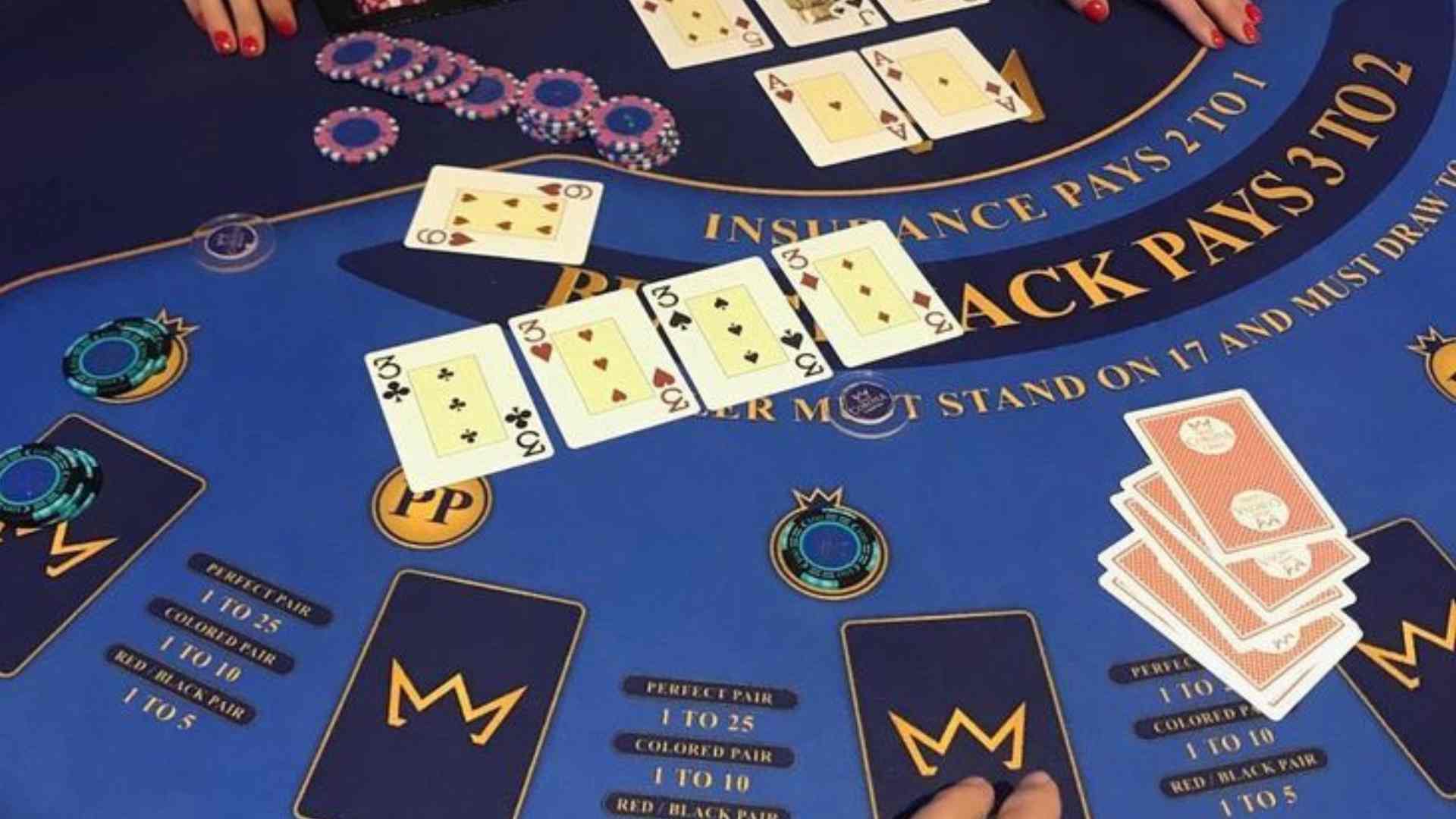
The human brain has an inherent fascination with structured numeric systems, transforming simple calculations into complex cognitive activities. Exploring the science of number games reveals that these puzzles act as deeply stimulating mental exercises rather than basic forms of entertainment. By analyzing how our minds process sequence formulas and spatial arrangements, researchers can better understand the underlying neurological mechanics that drive problem-solving efficiency.
Neurological Processing and Prefrontal Cortex Activation
When individuals engage with intense numerical puzzles, their prefrontal cortex actively processes combinations and weighs potential outcomes. This specific region of the brain is highly responsible for managing working memory, logical reasoning, and complex decision-making processes. Regular stimulation through targeted numerical challenges helps build robust neural pathways and strengthens overall cognitive resilience over time.
Furthermore, these analytical activities encourage a systematic approach to handling unfamiliar obstacles in daily life. Players learn to suppress impulsive guessing in favor of calculated deductions and methodical planning. This strategic shift significantly improves cognitive control, allowing the mind to maintain higher levels of focus during demanding situations.
The Role of Pattern Recognition in Cognition
At the very core of every mathematical grid or sequence challenge lies the foundational element of pattern recognition. The human mind naturally excels at identifying recurring visual structures, numerical intervals, and logical correlations across restricted boundaries. Training the brain to see these mathematical patterns early allows players to predict subsequent outcomes with high accuracy.
As these cognitive skills develop, individuals naturally improve their capacity for sequential processing and structural organization. This mental framework is highly transferable, assisting with data analysis, logical planning, and systemic troubleshooting in various professional fields. Developing a strong eye for patterns ultimately transforms random mathematical data into actionable intellectual insight.
Enhancing Analytical Logic and Focus Through Gaming
Engaging regularly with modern digital platforms offers an accessible environment for testing and refining your real-time numerical intuition. For example, exploring competitive intellectual ecosystems like M88 esports demonstrates how quick analytical logic can be utilized within high-stakes strategic scenarios. These interactive spaces encourage continuous skill development, helping players sharpen their reflexes while maintaining deep structural focus.
In addition to speed, consistency in practice plays a vital role in locking in these long-term cognitive upgrades. Spending just a few minutes each day solving structured equations can drastically decrease mental fatigue during complex real-world tasks. This steady mental routine balances active learning with relaxation, creating a sustainable habit for lifelong brain health.
Psychological Rewards and Stress Mitigation
Overcoming a challenging logical obstacle triggers a distinct release of dopamine, providing a powerful sense of accomplishment and immediate satisfaction. This biological reward system helps lower stress levels while boosting intrinsic motivation to tackle progressively harder milestones. By channeling nervous energy into structured logical problems, players experience a healthy form of cognitive restoration.
Ultimately, the journey from understanding basic arithmetic rules to mastering advanced numerical theory is highly fulfilling. The unique combination of scientific theory, logical progression, and psychological satisfaction ensures that number-based games remain a timeless tool for intellectual preservation. Embracing these challenges allows anyone to cultivate a sharp, resilient mind capable of navigating complex everyday variables.