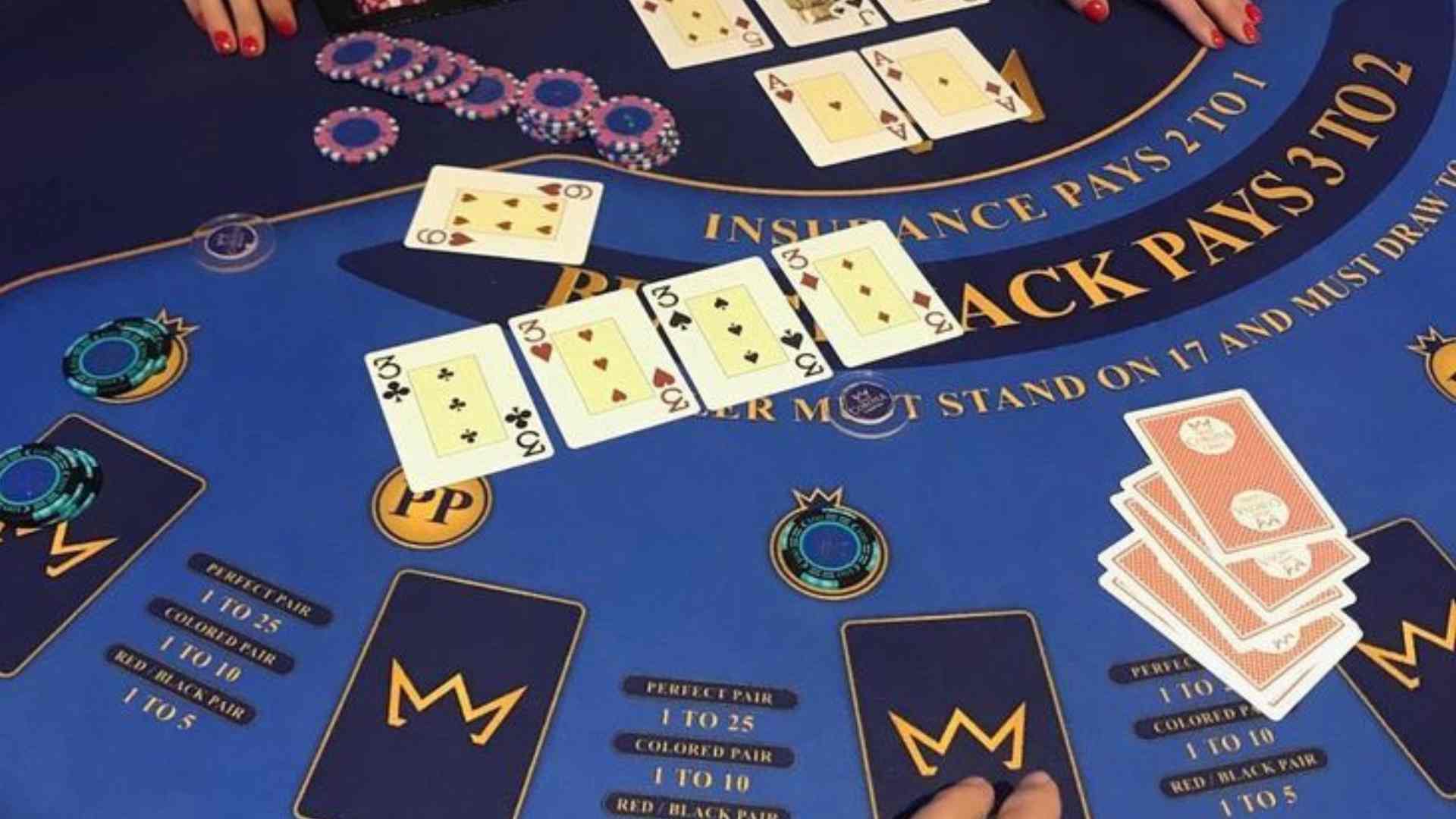
In competitive contract bridge, auction pressure occurs when opposing players make rapid, aggressive bids to consume valuable bidding space. This tactical interference forces opponents to make high-stakes decisions at higher trick levels with minimal information. Understanding how to manage this strain is vital for partnerships aiming to consistently reach optimal contracts.
The Dynamics of Space Deprivation
When opponents utilize preemptive bids or active overcalls, they intentionally eliminate lower bidding tiers. This forces your partnership to either pass prematurely or make guesses at uncomfortable heights. Navigating this environment requires disciplined hand evaluation and a thorough knowledge of competitive bidding conventions.
By reducing available communication, aggressive opponents force you to rely heavily on precise partnership agreements. Developing flexible bidding systems ensures that your pair can still transmit hand strength and suit length under duress. Clear agreements significantly lower the risk of miscommunication when the auction heats up.
Evaluating Risk Versus Reward Under Pressure
Auction pressure often compels players to choose between competing for the contract or setting a defensive trap. Calculating potential penalties against expected trick values becomes essential when deciding whether to bid higher. Successful bridge competitors maintain composure and evaluate mathematical odds rather than reacting emotionally.
For players exploring different competitive environments online, accessing reliable portals via a wd boss login can provide opportunities to observe varied strategic playstyles. Recognizing when opponents are stretching their bids allows you to apply penalty doubles effectively. Balancing aggression with defensive discipline is the key to mastering competitive auctions.
Tactical Countermeasures for Competitive Auctions
To combat aggressive tactics, partnerships often employ specialized conventions such as negative doubles and cuebid overcalls. These tools allow players to show alternative suit support or general values without overcommitting to unsafe contract levels. Integrating these methods provides options even when traditional bidding paths are blocked.
Additionally, maintaining smooth timing during the bidding phase prevents opponents from sensing hesitation or uncertainty. Keeping a steady rhythm prevents opponents from capitalizing on perceived weakness. Strategic confidence, combined with modern bidding tools, effectively neutralizes severe auction pressure.
Building Partnership Trust and Resilience
Navigating high-pressure bidding scenarios requires deep mutual trust between partners. Every bid made under pressure carries implicit meaning, and trusting partner's judgment prevents costly duplicate mistakes. Post-game analysis of difficult auctions helps refine future responses and strengthens overall coordination.
Consistent practice in competitive scenarios helps players remain calm when opponents disrupt standard auctions. Over time, handling aggressive bidding shifts from an intimidating obstacle to a routine strategic challenge. Mastery over auction pressure ultimately separates average bridge players from elite competitors.