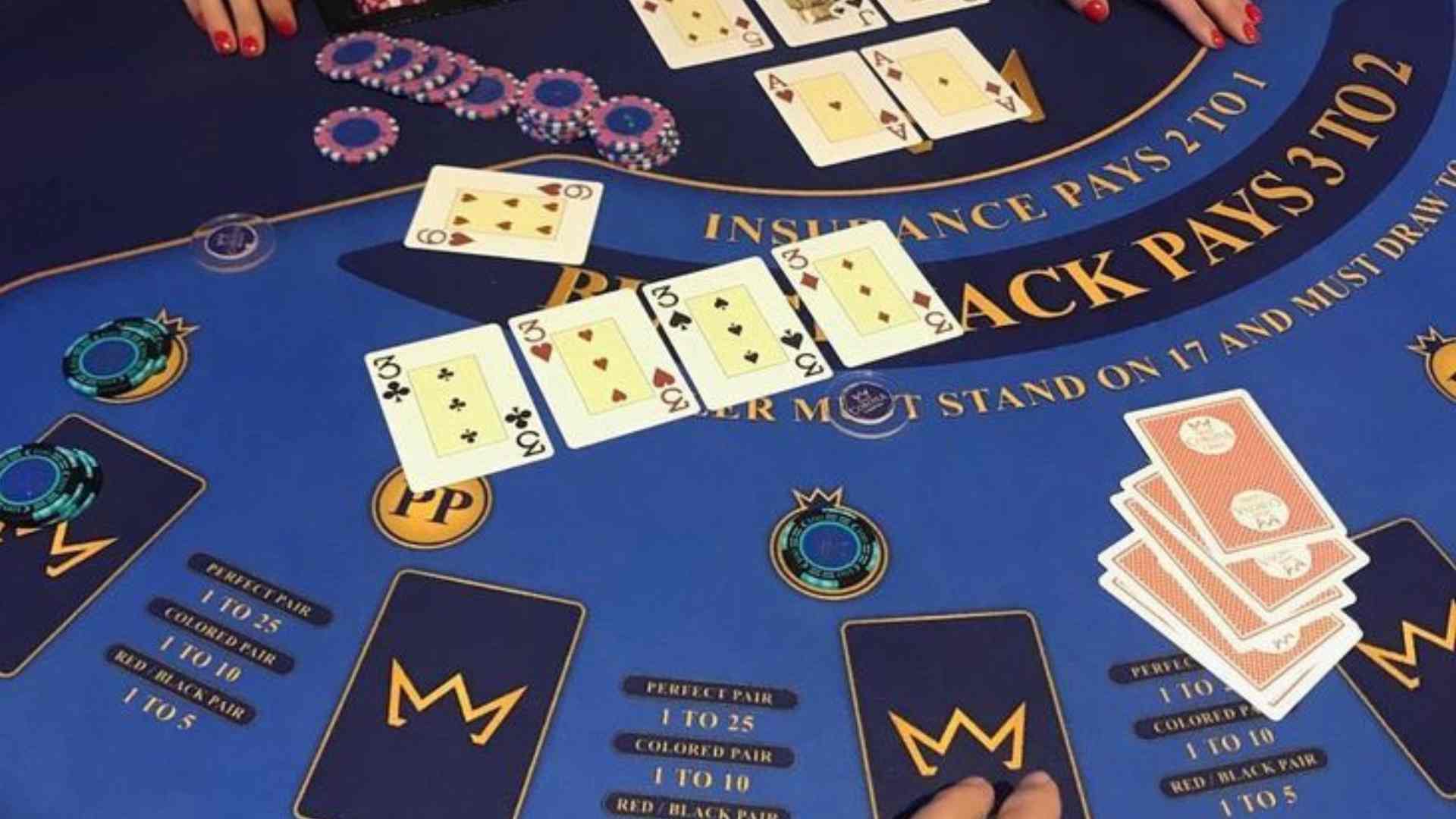
Enduring extended hours at the poker table requires far more than technical skill and strategic knowledge. As marathon games stretch into late hours, cognitive exhaustion gradually setting in can compromise even the most refined strategies. Building exceptional mental fortitude allows dedicated players to maintain sharp focus and consistent execution throughout grueling sessions.
Understanding Cognitive Fatigue and Decision Quality
Prolonged mental exertion causes gradual deterioration in executive functioning, making complex calculations progressively harder. As brain energy reserves decline over time, players often experience decision fatigue, leading to passive plays or unnecessary risks. Recognizing the subtle onset of cognitive tiredness is essential for preserving high performance during extended games.
To mitigate this mental drain, successful players structure their sessions with deliberate breaks and physical reset routines. Stepping away from the table briefly helps refresh working memory and restores critical thinking capabilities. This systematic approach ensures that every decision made in the tenth hour remains as sharp as those made in the first.
Building Emotional Resilience Against Fatigue
When physical and mental exhaustion set in, controlling emotional reactions becomes significantly more challenging. Unfavorable card turns that would normally be brushed off can trigger severe frustration during long sessions. Maintaining a stable emotional baseline prevents bad beats from spiraling into destructive play style changes.
Developing strong emotional discipline requires continuous self-awareness and active stress management techniques. Many enthusiasts study player strategies on online gaming platforms like m88 malaysia to understand how top competitors stay composed under pressure. Training the mind to accept short-term variance protects a player's long-term win rate.
Optimizing Physical Energy for Mental Endurance
The mind and body operate as an interconnected system, meaning physical condition directly impacts cognitive longevity. Sustained concentration over long stretches requires proper hydration, balanced nutrition, and adequate pre-session rest. Ignoring baseline physical needs inevitably leads to sudden drops in alertness and analytical speed.
Incorporating light movement and stretching during scheduled breaks boosts blood flow to the brain, enhancing overall mental clarity. Players who treat poker as an endurance discipline prioritize physical conditioning alongside tactical study. This holistic preparation provides a distinct competitive edge when opponents begin to tire.
Establishing Strict Session Boundaries
Knowing when mental performance has degraded past an acceptable threshold is a hallmark of true discipline. Continuing to play while mentally compromised often erases hours of hard-earned profits in a short timeframe. Elite players establish clear operational limits based on performance quality rather than arbitrary financial goals.
By setting hard boundaries on session duration, players protect both their bankrolls and their long-term confidence. Ending a game at the right moment ensures that future sessions start from a position of mental strength. Mastering this self-regulation transforms casual players into consistent, resilient competitors.