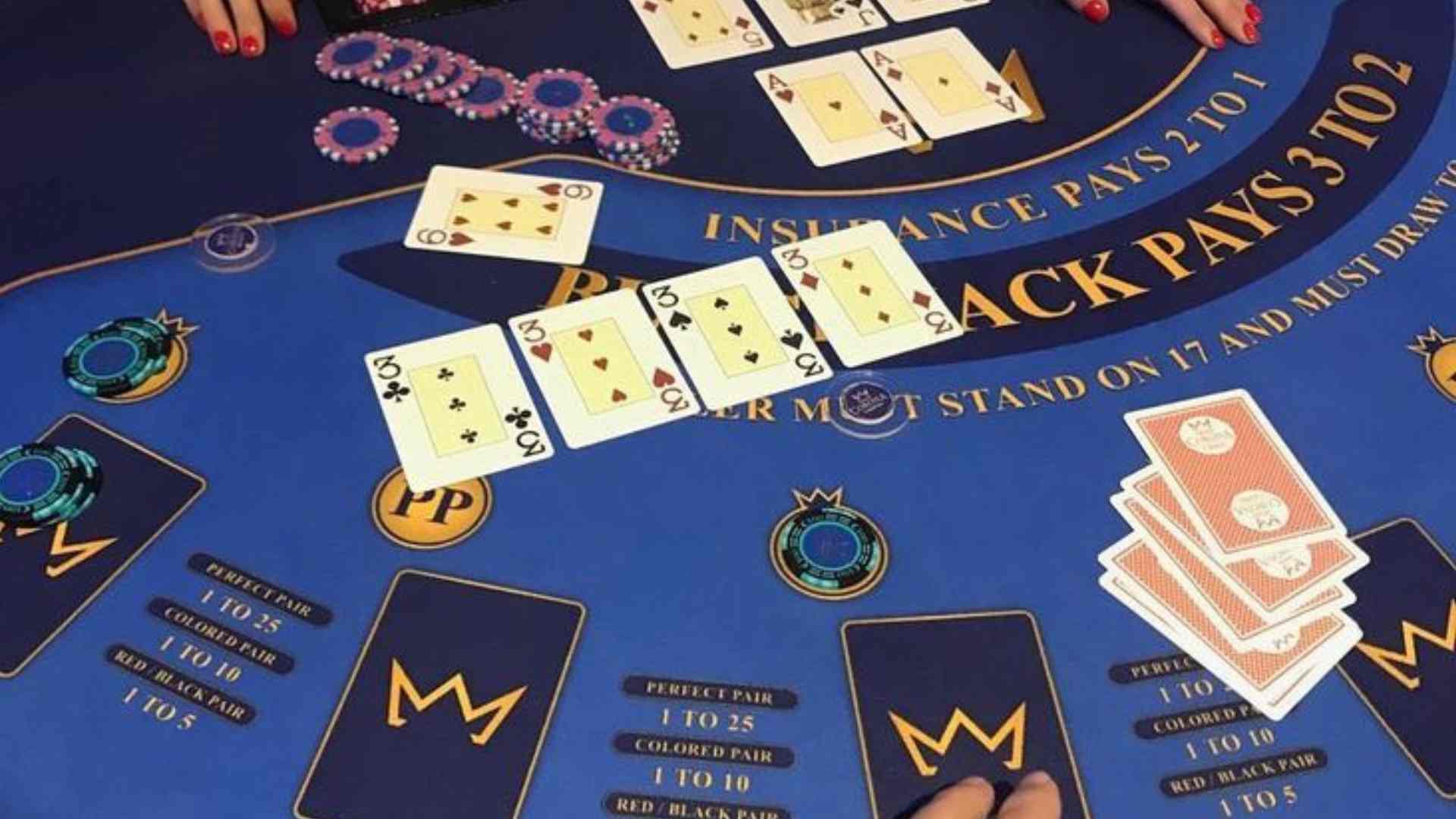
The vocabulary used around a card table often sounds like a completely different dialect to an outsider. For dedicated enthusiasts, mastering these specialized idioms is essential for decoding strategic shifts and appreciating the psychological layers of the game. This guide explores the essential verbal cues that separate casual viewers from truly knowledgeable followers of the sport.
Deciphering Tactical Betting Language
During live broadcasts, commentators frequently use terms that describe how players apply structural pressure. An aggressive action like a three-bet or a check-raise indicates that a participant is trying to build a massive pool or force a quick fold. Recognizing these patterns helps fans predict future card movements and evaluate who holds the mental advantage at the table.
Another critical concept is the distinction between a value bet and a pure bluffing frequency. When a competitor wagers to get called by weaker cards, they are maximizing their long-term mathematical returns. Conversely, a well-timed bluff leverages high fold equity to claim the chips without needing a showdown.
The Hidden Meanings of Board Textures
The way community cards drop across the felt completely alters how seasoned spectators interpret the active hand strength. Phrases like wet boards describe cards that offer heavy drawing potential for flushes or straights, creating intense strategic tension. Understanding these layout dynamics allows fans to anticipate sudden reversals and massive betting loops before they unfold.
On the other hand, dry textures offer very few combinations, forcing competitors to rely heavily on baseline pairs or psychological manipulation. For fans tracking modern metrics online, observing these dynamics through top platforms like the M88 togel portal provides clear examples of how layout variables affect participant decisions. Knowing these subtle differences elevates your overall appreciation of every single round played.
Psychological Tells and Spatial Awareness
The physical or digital seat a participant occupies relative to the dealer button dictates their entire operational framework. Acting last gives a competitor the ultimate informational advantage, allowing them to control the pacing of the wagering rounds. Serious fans understand that table geometry is often more influential than the actual strength of the hidden cards.
Furthermore, internalizing phrases related to emotional control, such as going on tilt, helps spectators analyze performance dips. When an unfortunate bad beat causes a player to lose focus, their strategic discipline quickly erodes into reckless decision-making. Recognizing these mental shifts allows you to predict which competitors will survive the pressure of a final table layout.
Analyzing Tournament Survival Metrics
In multi-table environments, the vocabulary shifts toward managing risk relative to escalating blind structures. Concepts such as the independent chip model help fans evaluate whether a competitor is making mathematically sound choices during critical payout jumps. Survival often requires a completely different tactical blueprint than standard cash game sessions.
Ultimately, fluency in this distinct language transforms the viewing experience from simple observation into deep tactical analysis. By understanding the exact definitions behind every announcement, you can follow elite competitions with total clarity and confidence. Every chip movement tells a story, and knowing the dialect unlocks the true depth of the game.