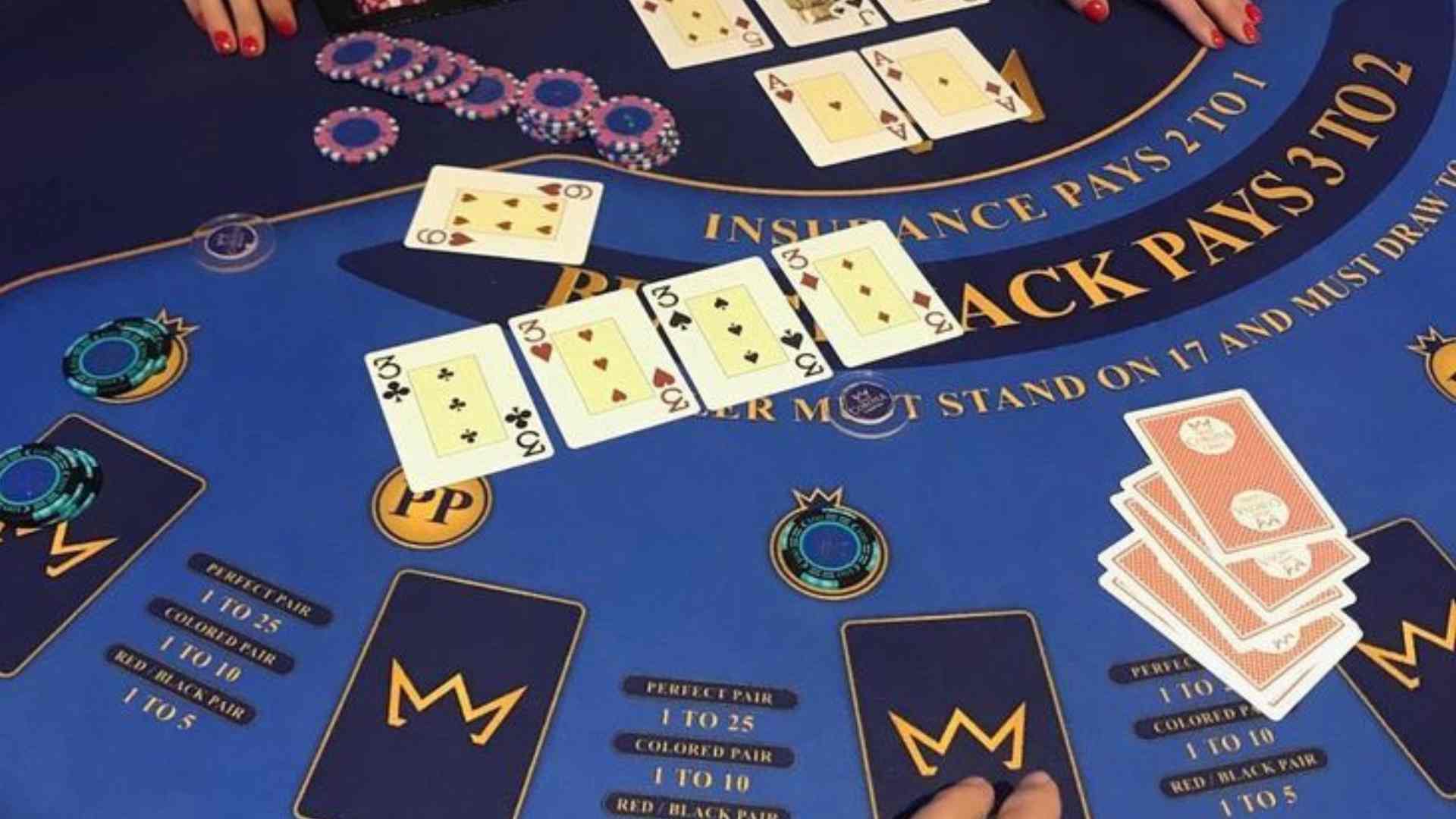
Stepping onto the global stage for an international rummy competition is both an exciting opportunity and a profound test of card playing mastery. Unlike local matches, global events feature a highly diverse pool of competitors who bring distinct tactical styles and psychological methods. Preparing for these high-stakes matchups requires a structured training plan that blends deep technical knowledge with solid mental resilience.
Mastering Diverse Rulesets and Formats
International tournaments often feature varying rulesets and format structures that can surprise unprepared players. It is crucial to study the precise tournament handbook weeks before the event to adapt your standard card management techniques. Familiarizing yourself with these subtle adjustments early ensures you will not make costly mechanical errors during live rounds.
Additionally, global events frequently employ strict turn timers that place intense cognitive pressure on every decision. Aspiring champions should practice playing under simulated time constraints to build rapid card tracking habits. Utilizing dedicated platforms like the M88 togel portal can help you practice analyzing complex board states under pressure.
Developing Advanced Tactical Observance
Success at the international level depends heavily on your ability to read table dynamics and analyze opponent behavior. Experienced players do not just look at their own hands; they meticulously track discards and open-deck picks. This active observation allows you to deduce which combinations your opponents are trying to build and block their progress.
Furthermore, you must learn to disguise your own strategic intentions by varying your discard patterns. Avoid picking up cards from the open deck unless absolutely necessary, as this reveals critical information to observant rivals. Keeping your gameplay unpredictable is a highly effective shield against world-class competitors who exploit predictable habits.
Cultivating Mental Endurance and Focus
Multi-day international card events are long, grueling marathons that demand sustained psychological stamina. Mental fatigue is one of the most common reasons players suffer sudden performance drops in the final rounds. Developing a healthy physical and mental routine, including proper rest and hydration, is essential for keeping your focus sharp.
It is equally important to manage emotional swings, especially after experiencing a difficult defeat in the early brackets. Professional players treat each individual hand as an independent event, refusing to let past losses dictate their current strategy. Building this emotional discipline ensures you remain competitive and clear-headed from the first deal to the final table.