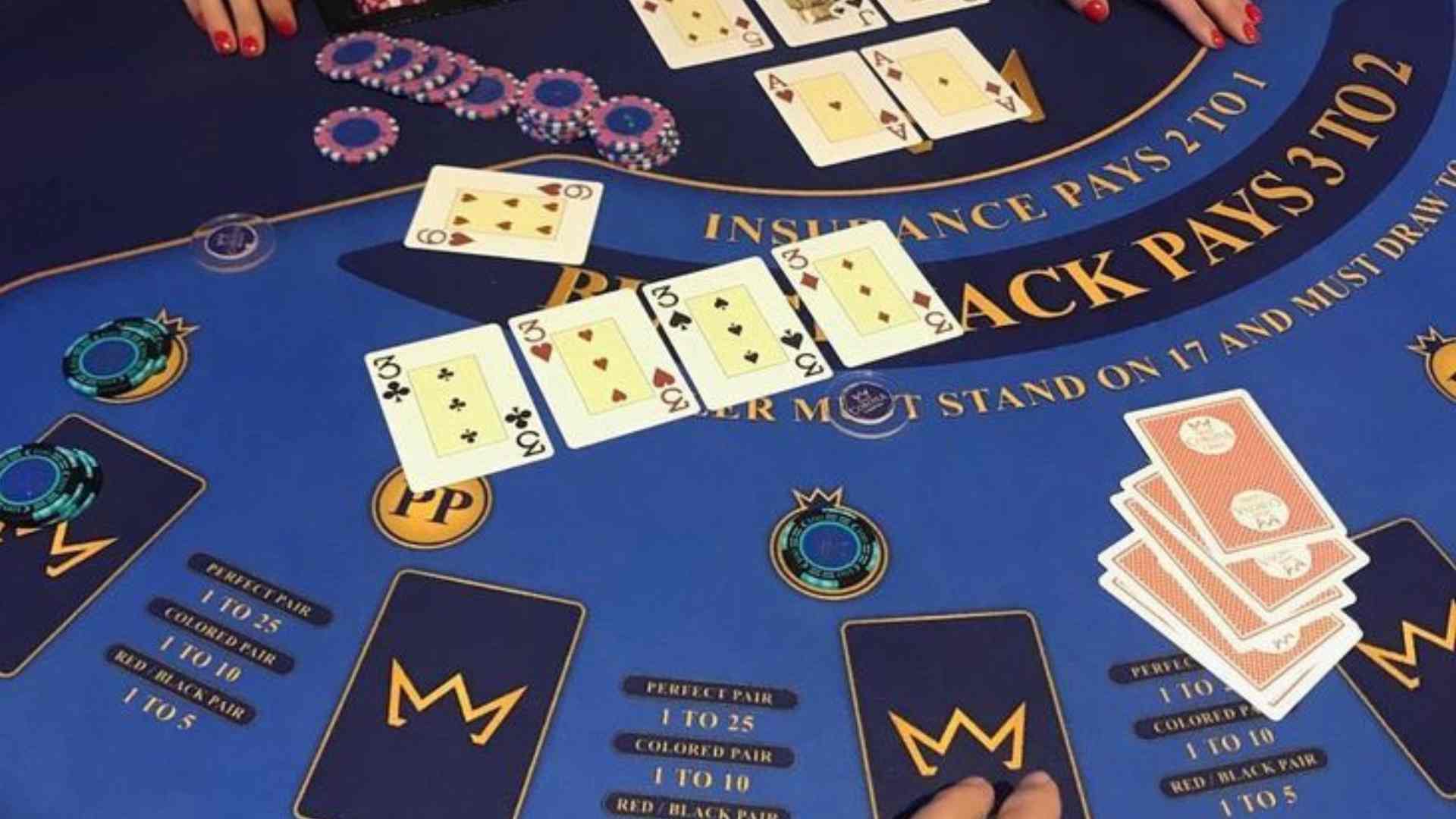
Contract bridge is a game where strategic execution and intellectual sharpness determine the ultimate outcome of every hand. Unlike casual card activities that rely mostly on the luck of the deal, achieving long-term success in duplicate formats requires deliberate planning and logical deduction. Embracing expert advice can dramatically transform your baseline performance and encourage smarter card play at the table.
Mastering the Art of Pre-Play Planning
The single most valuable habit a developing player can form is pausing before playing a card from the dummy. Taking those vital moments allows the declarer to accurately map out potential winners and manage remaining entry points. Rushing into the initial trick without a comprehensive blueprint frequently leads to avoidable mistakes down the road.
Smarter card play involves projecting multiple steps ahead to anticipate how opponents will likely distribute their defending suits. Cultivating this high-level mental discipline changes the way you approach complex distributions and tight endplays. Over time, structured visualization helps players navigate tricky situations with absolute precision.
Enhancing Partnership Communication Systems
Bridge is fundamentally a cooperative effort where individual brilliant plays matter far less than consistent partnership harmony. Developing a structured, mutually understood bidding vocabulary ensures both participants remain aligned on hand strength and card distribution. When communication breaks down during the auction phase, finding the most optimal contract becomes nearly impossible.
Many modern strategic thinkers refine their cognitive focus by examining performance statistics on competitive gaming platforms like M88 esports to see how team dynamics shift under immense pressure. Applying that analytical mindset to your bridge agreements enables you to decipher your partner's subtle card signals fluidly. Trusting your established signaling guidelines prevents costly defensive errors when protecting against a difficult contract.
Cultivating Adaptable Defensive Tactics
While playing as the declarer is highly satisfying, mastering defensive strategies is often what separates intermediate players from true experts. Choosing a strong, calculated opening lead can instantly disrupt the declarer's initial timeline and establish your own side's long suit. Paying close attention to the historical bidding auction provides excellent clues regarding hidden card length.
Effective defenders must remain flexible and willing to adjust their original defense plan as new layouts are revealed on the table. Forcing the declarer to make tough decisions early on often results in critical tactical blunders that benefit your scorecard. Developing a keen eye for counting unplayed high cards is the ultimate foundation of a truly formidable defense.
The Value of Consistent Hand Reviews
Sustained improvement in bridge demands a dedication to studying previous matches and identifying where specific card plays went wrong. Reviewing challenging deals with your partner exposes systematic flaws in your bidding logic or defensive coordination. Every mistake corrected during post-game analysis directly contributes to sharper instincts during future live sessions.
Treating every deal as an intellectual puzzle builds the mental endurance necessary for long, multi-round tournament play. As your pattern recognition sharpens, choosing the correct tactical response becomes an entirely natural process. Ultimately, dedicating time to analytical practice remains the most reliable path to achieving master-level card play.